
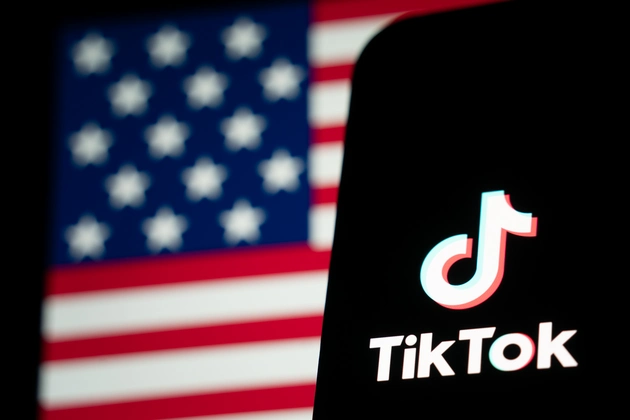

TikTok has finalised a $14bn deal to establish a US subsidiary, averting a nationwide ban on the popular video-sharing platform.
The new ownership structure includes US private equity firm Silver Lake, Abu Dhabi-based artificial intelligence company MGX and Oracle, the technology giant co-founded by Larry Ellison, an ally of US President Donald Trump.Each of the three firms will hold a 15 per cent stake in the US joint venture. TikTok’s Beijing-based parent company, ByteDance, will retain a stake of just under 20 per cent, while the Dell Family Office, the investment arm of Dell Technologies chairman and CEO Michael Dell, is also participating.
The agreement follows legislation passed by Congress in April 2024 requiring TikTok to be sold to US owners by January 19, 2025, or face a ban, citing national security concerns over the app’s ties to China. President Trump delayed enforcement of the ban several times while negotiations were ongoing and signed an executive order in September approving the framework of the deal, granting the parties additional time to finalise terms.
The deal aligns with an internal memo circulated last month by TikTok CEO Shou Zi Chew, who indicated the agreement would be concluded by Thursday.
Under the arrangement, TikTok’s US operations will function as an independent entity overseen by a seven-member board. The board will include Shou Zi Chew; Oracle Executive Vice President Kenneth Glueck; Timothy Dattels, senior adviser at TPG Global; Mark Dooley, managing director at Susquehanna International Group; Silver Lake co-CEO Egon Durban; DXC Technology CEO Raul Fernandez; and David Scott, chief strategy and safety officer at MGX.
Adam Presser, TikTok’s head of operations and trust and safety, will serve as chief executive officer of the new joint venture.
Trump welcomed the deal in a post on Truth Social, describing it as a win for American investors and the platform’s future in the country. He said Chinese President Xi Jinping had ultimately approved the agreement, thanking him for cooperating on the matter.
While Trump has previously described the deal as a “qualified divestiture” that fully severs ByteDance’s control over TikTok, Chinese officials have offered a more cautious response, saying any agreement must comply with Chinese laws and balance the interests of all parties.
Lawmakers who have raised national security concerns about TikTok said they would continue to scrutinise the agreement to ensure compliance with US law. However, some signalled a willingness to accept assurances that the deal addresses concerns over surveillance and content manipulation.
Vice President JD Vance said the US entity would have control over TikTok’s algorithm, a central issue in the negotiations. He noted that algorithmic control was essential to meeting national security requirements.
According to the company, the US platform will retrain and update its algorithm using American user data, with Oracle hosting and managing the system within its US-based cloud infrastructure.
Critics, however, remain sceptical. Michael Sobolik, a senior fellow at the Hudson Institute, said the agreement still raised questions about China’s influence over the platform, arguing that Beijing may have emerged with significant leverage despite the divestment.
The deal is expected to keep TikTok operational in the US while reshaping its governance and data controls under American oversight.