

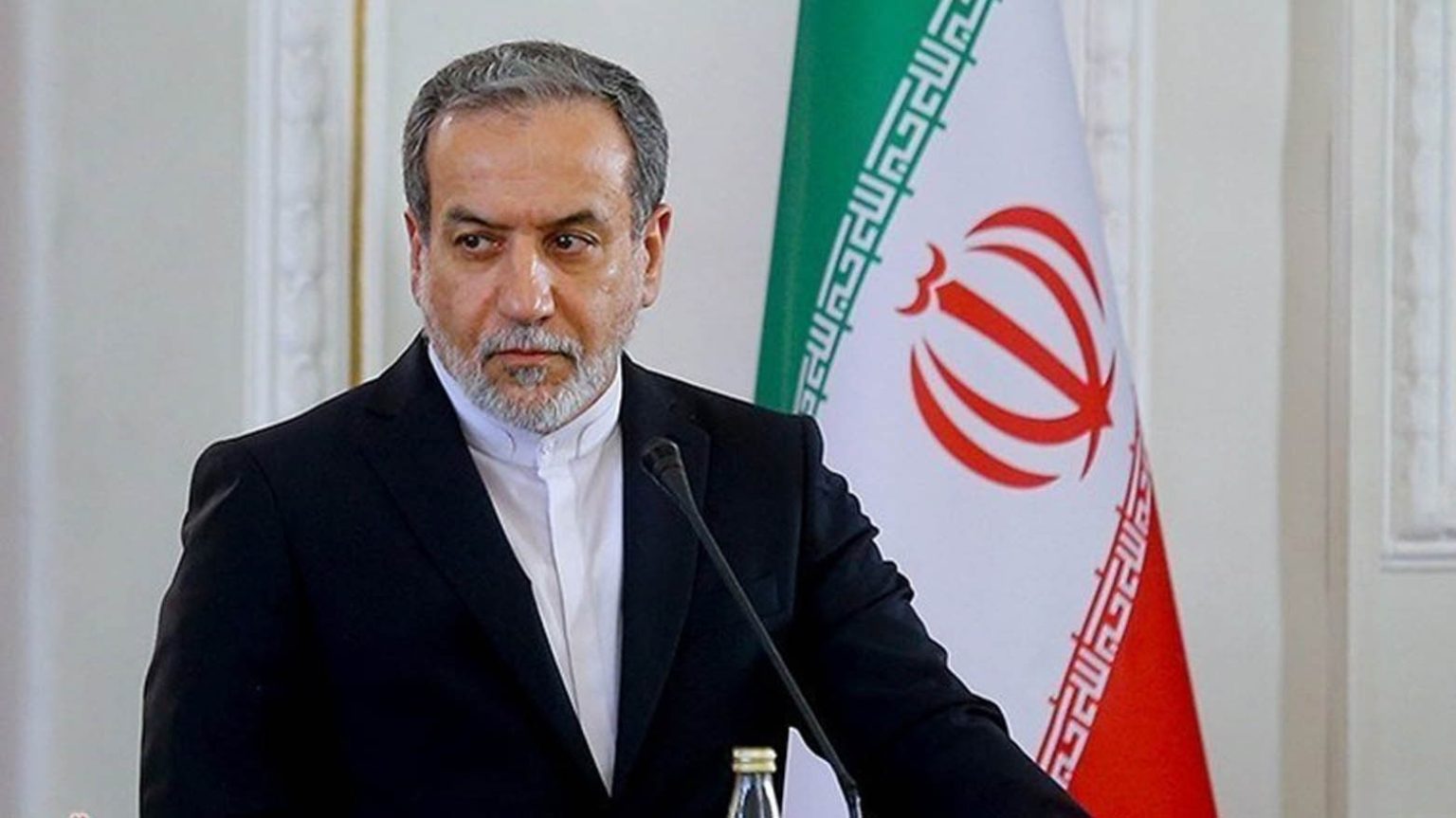

Iran’s Foreign Minister, Abbas Araqchi has said that an agreement with the United States is achievable but only if diplomatic efforts are prioritized ahead of escalating tensions.
His remarks come days before a new round of talks scheduled for Thursday in Geneva, where U.S. envoys Steve Witkoff and Jared Kushner are expected to meet with an Iranian delegation.
“We have a historic opportunity to strike an unprecedented agreement that addresses mutual concerns and achieves mutual interests,” Araqchi wrote on X, adding that Tehran would approach the negotiations with determination to secure a “fair and equitable deal” as swiftly as possible.
The renewed diplomatic push follows heightened regional tensions, with Washington increasing its military presence in the Middle East. Iran has warned it would target U.S. bases in the region if attacked.
Iranian Deputy Foreign Minister Majid Takht-Ravanchi echoed Araqchi’s stance, saying Tehran is prepared to take all necessary steps to finalize an agreement. “We will enter the negotiating room in Geneva with complete honesty and good faith,” he said, according to state media.
On the U.S. side, White House Press Secretary Karoline Leavitt said President Donald Trump favors diplomacy but remains open to military action if required.
A senior Iranian official told Reuters that Tehran may consider sending half of its highly enriched uranium stockpile abroad, diluting the remainder, and participating in a regional enrichment consortium. In return, Iran seeks U.S. recognition of its right to peaceful nuclear enrichment and the lifting of economic sanctions.
Previous indirect negotiations stalled largely over Washington’s demand that Iran halt uranium enrichment entirely, a condition Tehran has rejected, maintaining that its nuclear program is solely for civilian energy purposes.
Tensions escalated last June when the United States joined Israel in striking Iranian nuclear facilities, an action Trump said “obliterated” key sites. However, Iran is still believed to hold previously enriched uranium stockpiles, which remain central to ongoing negotiations.
With both sides signaling readiness for dialogue while maintaining firm red lines, the upcoming Geneva talks are viewed as a critical test of whether diplomacy can prevail over confrontation.