

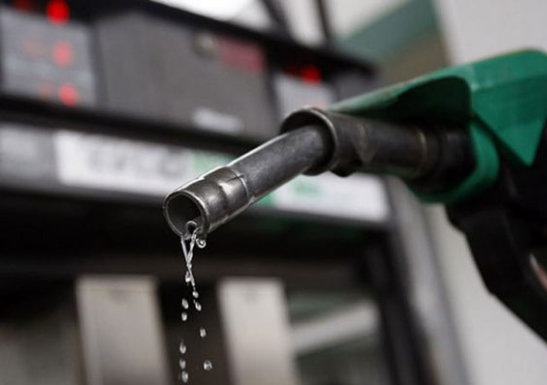

East, the nerve center of crude oil, continue to disrupt global energy markets, pushing crude oil prices above $80 per barrel and driving domestic petrol costs closer to N1,000 per litre.
Motorists, transport operators, and commuters across major cities woke up to sudden price adjustments at filling stations. For example, in Lagos, several fuel outlets raised Premium Motor Spirit (PMS) prices from N830 to about N937 per litre.
In the Federal Capital Territory, outlets operated by NNPC Limited and MRS Oil Nigeria Plc increased pump prices from N875 to about N975 per litre, while some independent marketers sold fuel around N960 per litre, a quick check by LIB has confirmed.
Industry sources linked the price surge to a recent upward review in ex-depot prices by Dangote Petroleum Refinery & Petrochemicals, which reportedly moved its gantry price from N774 to about N874–N875 per litre.
Officials at the refinery confirmed that loading operations were briefly suspended earlier in the week following crude oil price spikes, a move that tightened supply and accelerated downstream price adjustments.
The global oil market rally has been fueled by intensifying tensions involving United States, Iran, and Israel. Market fears center on potential disruptions around the Strait of Hormuz, one of the world’s most important oil shipping corridors, responsible for transporting roughly one-fifth of global crude oil supplies. Analysts warn that prolonged instability could push global oil prices toward $100 per barrel.
Nigeria, operating a deregulated petroleum pricing framework but still heavily exposed to global crude benchmarks, has felt the impact quickly across transportation and consumer goods prices.
The Petroleum Products Retail Outlets Owners Association of Nigeria (PETROAN) described the situation as alarming, warning that sustained geopolitical conflict could trigger wider economic instability. The association explained that higher crude prices naturally translate to higher domestic fuel costs under cost-reflective pricing systems.
PETROAN’s National President, Billy Gillis-Harry, urged the government to strengthen domestic refining capacity as a protective economic buffer. The group also recommended consistent crude supply to local refineries, continued implementation of the Naira-for-Crude policy to reduce foreign exchange pressure, and accelerated rehabilitation of Nigeria’s state-owned refineries to shield the economy from external shocks.