

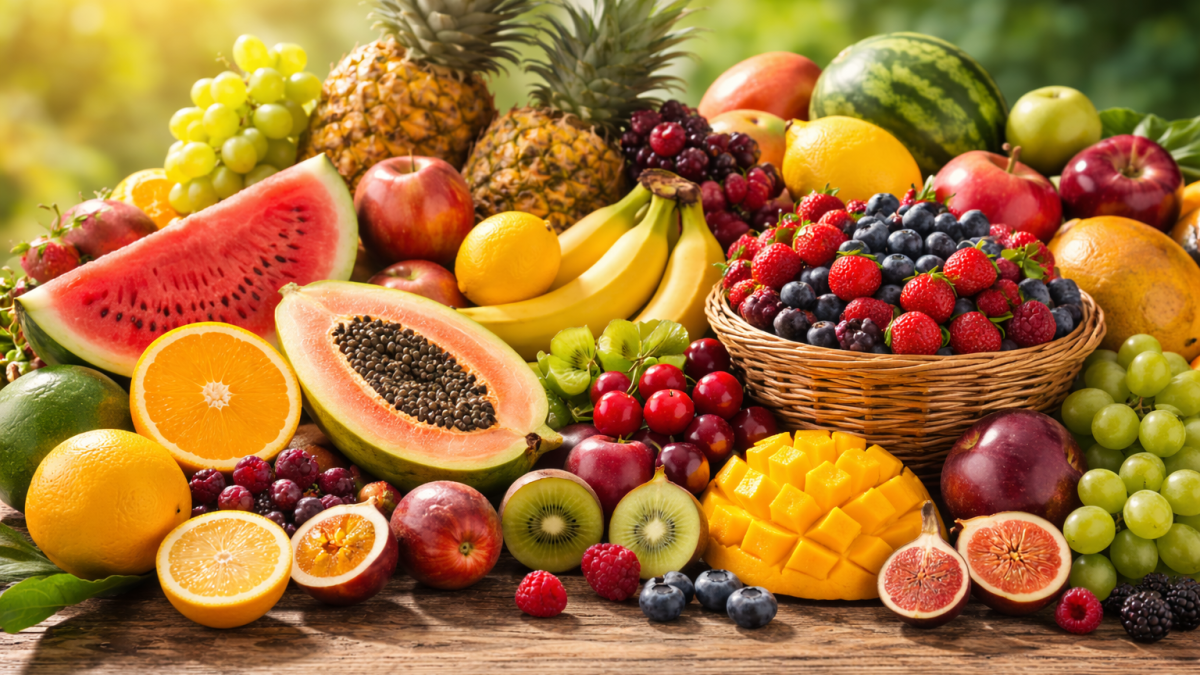

Short term dietary changes sometimes attract attention, especially when people want to reset their eating habits or give their digestive system a break.
One example that often comes up in conversations about nutrition is eating only fruits and drinking water for a few days.
While long term diets that exclude major food groups can create nutritional imbalances, a short period such as three days mainly causes temporary changes in the body’s metabolism, digestion and energy use.
From a biological perspective, fruits contain several nutrients that can influence how the body functions during that period. These include natural sugars, vitamins, water, antioxidants and dietary fibre.
Below are some of the changes a person may notice if they consumed only fruits and water for three days.
Increased hydration in the body
Most fruits contain a high percentage of water. For example, fruits such as watermelon, oranges and pineapples are made up of more than 80 percent water.
When combined with drinking water, this can significantly increase hydration levels in the body. Proper hydration supports several biological processes including blood circulation, temperature regulation and the transportation of nutrients to cells.

During those three days, the body may appear slightly refreshed as cells receive adequate fluid for normal function.
Improved digestion and bowel movement
Fruits are naturally rich in dietary fibre, particularly soluble and insoluble fibre. Fibre plays an important role in the digestive system.
Soluble fibre absorbs water and forms a gel-like substance that helps slow digestion, while insoluble fibre helps move food through the digestive tract.
As a result, many people may notice more regular bowel movements during this period. Fibre also supports the growth of beneficial gut bacteria that contribute to overall digestive health.
Temporary weight reduction
Another visible change some people notice is slight weight loss.
Fruits generally contain fewer calories compared to many processed foods. When a person switches from a mixed diet to fruits only, overall calorie intake may decrease.
At the same time, the body may use stored glycogen, which is the form in which carbohydrates are stored in muscles and the liver. Glycogen holds water, so when it is used up, the body may lose some water weight.
This can lead to a temporary reduction in body weight during the three day period.
Higher intake of vitamins and antioxidants
Fruits are rich sources of important vitamins such as vitamin C, vitamin A and folate, as well as plant compounds known as antioxidants.
Antioxidants help neutralise unstable molecules called free radicals that can damage cells. During the three days, the body receives a concentrated intake of these nutrients.
Vitamin C, for example, supports immune function and helps the body produce collagen, which is important for skin health.
Because of these nutrients, some people may notice that their skin appears slightly clearer or more hydrated.
Reduced intake of processed foods
For people who regularly consume processed foods, switching temporarily to fruits and water automatically reduces the intake of excess salt, artificial additives and saturated fats.
This change may make the body feel lighter or less bloated because processed foods often contain sodium, which encourages water retention in the body.
Reducing such foods even briefly can create a feeling of improved digestion and comfort.
Energy changes during the period
Fruits contain natural sugars such as fructose and glucose, which provide quick energy to the body. However, fruits are relatively low in protein and fats.
Because of this, some people may experience fluctuations in energy levels, especially if they are used to meals containing proteins and complex carbohydrates.
These effects are usually temporary during a short three day period.
Understanding short term dietary changes
Eating fruits and water for three days mainly affects hydration, digestion and calorie intake. The visible changes people notice are often linked to increased fibre, improved hydration and reduced consumption of processed foods.
However, the human body requires a balanced diet containing proteins, healthy fats, vitamins, minerals and carbohydrates for long term health.
Short term dietary adjustments may create temporary benefits, but maintaining overall health generally requires a balanced and varied diet that supplies all essential nutrients the body needs to function properly.