

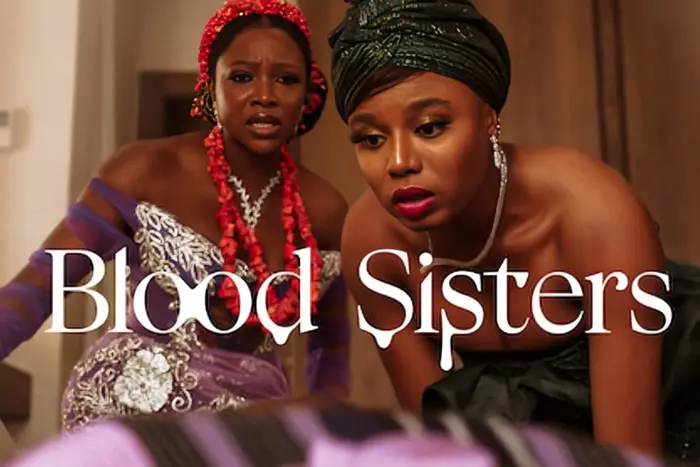

Blood Sisters season 1 earned its hype. It was a genuinely refreshing entry in Nollywood, and a story that reminded you the industry could do taut, gripping television when it wanted to. So when season 2 arrived, the goodwill was already there. The question was whether the show knew what to do with it.
Probably, they didn’t need to make a second season. With one extra episode, season 1 could have tied its loose ends and left audiences either fighting about whether justice belongs only to the privileged or hopeful that things can indeed work out in the end. Either exit would have been satisfying. But season 2 exists, and here we are.
)
To be fair, it opens on solid ground. Season 1 never gave us a definitive closer, and season 2 at least has the decency to answer the questions it left dangling. There is an escalating middle that works, mostly. But somewhere along the way, the show loses the plot, and by the time the finale arrives, what should have been a landing feels more like a stumble.
Where the season genuinely succeeds is in its moral architecture. Almost no one here is simply good or simply bad, and that appears to be entirely intentional.
You can understand why Kemi and Sarah did what they did and still acknowledge that desecrating a body crosses a line. You can recognise Uduak as a terrible mother and still feel something for a woman who lost her son.
)
The show seems invested in the idea that people are capable of both cruelty and justification in the same breath, and that is a more honest portrayal of human nature than most Nigerian productions attempt.
The two leads also carry visible arcs across the season. Kemi and Sarah move from frightened women trying to stay invisible to something sharper, more ruthless, survival-focused in a way that shows growth rather than convenience.
The cast as a whole is strong, with no obvious weak links, though singling out any one performance for the gold medal would be difficult. Different actors shine in different scenes, which is actually a compliment to the ensemble.