

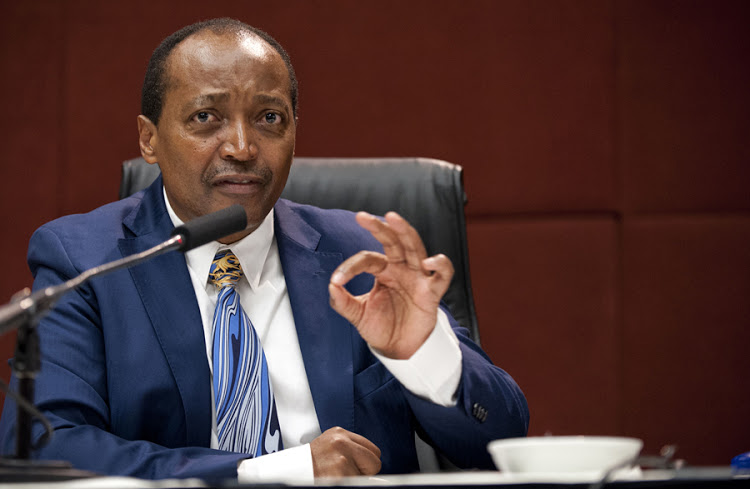

The President of the Confederation of African Football (CAF), Patrice Motsepe, has said the body is reconsidering its decision to hold the Africa Cup of Nations (AFCON) every four years, raising the possibility of returning to the tournament’s traditional two-year format.
Motsepe announced on Friday, October 9, 2026, during a press conference at CAF’s three-day Strategy Conference in Cape Verde. The announcement comes 10 months after CAF announced plans to move AFCON to a four-year cycle following the 2028 edition, a decision that attracted criticism from sections of the African football community.
Speaking about the ongoing discussions, Motsepe said:
“We have discussed things over the last few days and are looking at everything, including having the AFCON come back every two years.”
He added that the matter remained under review, indicating that CAF had yet to make a final decision on the competition’s future schedule.
Reasons why AFCON is back to two years interval
(1) Protecting the interests of African football
One of the central issues surrounding the debate is CAF’s responsibility to protect and advance African football’s interests.
Motsepe insisted that the continental governing body makes decisions based on what it considers best for Africa, rejecting suggestions that the proposed four-year AFCON cycle was introduced to satisfy European football authorities.
He said,
“My No. 1 job, my No. 1 duty is to protect, promote, and advance the interests of Africa,” Motsepe said, according to the Associated Press.
He also dismissed claims that CAF takes instructions from FIFA or UEFA when making decisions about African competitions. The renewed review suggests that CAF is willing to reconsider its earlier position as it evaluates the best structure for its flagship national-team tournament.
(2) Criticism of the four-year format
AFCON’s proposed move to a four-year cycle proved unpopular among some supporters and football stakeholders. Traditionally, the competition has provided African national teams with a major continental tournament every two years.
Critics of the proposed change raised concerns about the tournament’s visibility, its commercial appeal, and the opportunities available to national teams to compete for continental honours. The four-year proposal also prompted questions about whether a longer gap between tournaments would reduce AFCON’s prominence in African football.
(3) Reconsidering CAF’s competition calendar
CAF’s original plan to move AFCON to a four-year cycle was linked to a broader restructuring of African international football. Under the proposal announced in December 2025, AFCON would continue with the 2027 edition in Kenya, Tanzania and Uganda, followed by another tournament in 2028. The competition would then move to a four-year schedule, with the next edition planned for 2032.
CAF also proposed introducing an African Nations League from 2029, creating another major competition for national teams. The governing body has not yet explained how the plans would change if the two-year cycle is restored.
(4) There has not been any official decision made
Despite Motsepe’s latest comments, CAF has not formally confirmed that AFCON will return to being played every two years. The president said the matter was being reviewed, leaving the outcome open as the organisation considers its options.
The review marks a significant development in CAF’s plans for the future of African international football, particularly given the short period since the four-year format was announced. However, the 2027 AFCON remains scheduled to take place in Kenya, Tanzania, and Uganda.