

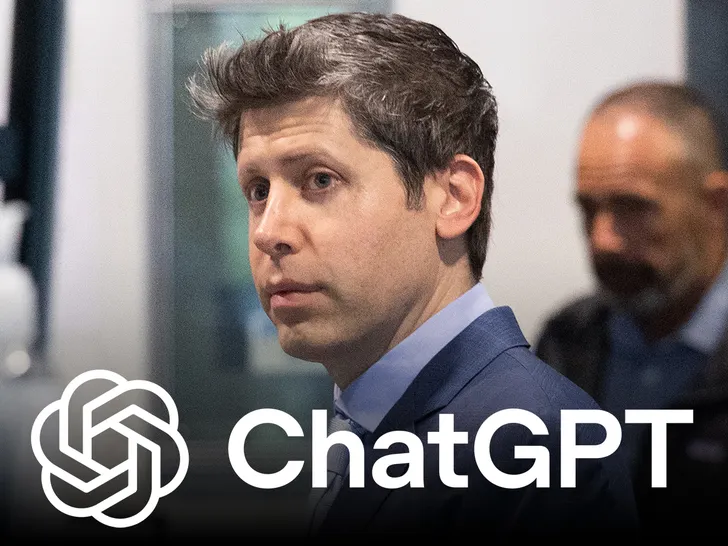

OpenAI chief executive Sam Altman has acknowledged the risks of using artificial intelligence for mental health support after being questioned about a woman who died by suicide following lengthy conversations with ChatGPT.
In an interview with Vanity Fair, Altman was asked about Sophie, the 29-year-old daughter of journalist Laura Reiley. The interviewer said ChatGPT had acted as a therapist and helped edit her suicide notes, while stressing that it had not told her to take her own life.
An OpenAI publicist attempted to stop the question, according to the account, but Altman responded. “I mean, first of all, these are some of the hardest questions that we face or that anybody developing this technology faces.”
Altman acknowledged that some people turn to AI because they do not feel comfortable speaking to a human therapist, while recognising that such interactions can carry risks.“Clearly people think there’s a version of this that is good. There are also clearly versions of it that are bad.”
He also raised concerns about sharing sensitive conversations with researchers, saying users’ consent would be essential. “Should we release people’s private data in some of their hardest moments to researchers? I think probably not without their consent, or I should say not without their consent.”
Altman said OpenAI wanted to work with others to address the wider mental health crisis. “Do we want to find ways where we can work with the community to address the mental health crisis in the world and for our products to be helpful there? Of course, yes.” However, in the remarks provided, he did not outline specific measures the company would take to achieve that aim.