
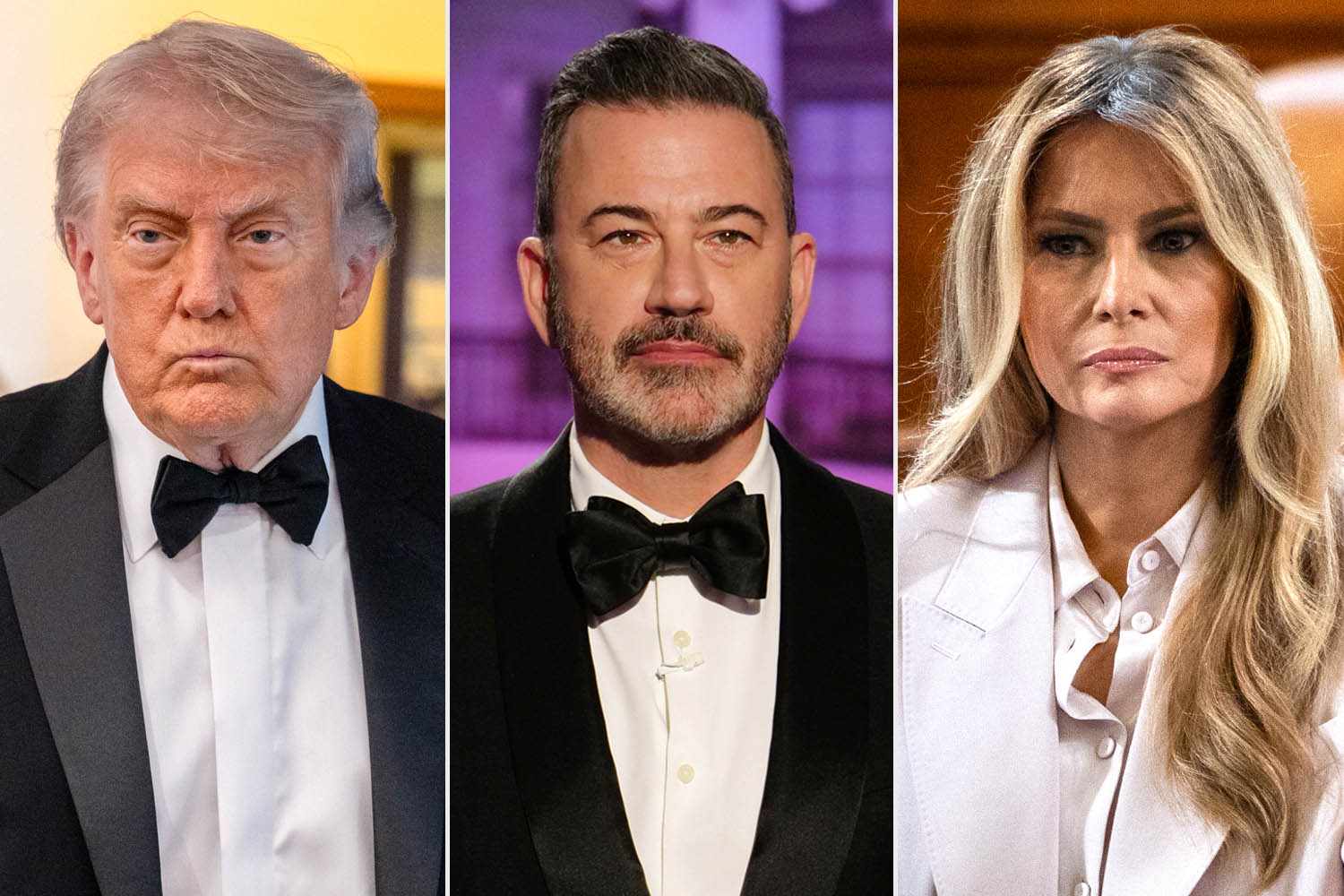

Melania Trump, in a separate statement, said Kimmel’s words were “corrosive” and accused him of spreading hate, adding that broadcasters should not allow such content into people’s homes.
The criticism was echoed by White House press secretary Karoline Leavitt, who argued that inflammatory rhetoric can influence unstable individuals and potentially contribute to violent actions.
The controversy has been amplified by the timing of a recent security incident at the actual White House Correspondents’ Dinner, where an armed suspect attempted to breach the venue, leading to the evacuation of senior officials. Trump referenced the incident in his criticism, suggesting the joke took on a more serious meaning in light of the events.
Disney, now led by CEO Josh D’Amaro, is facing scrutiny over whether it will act on the president’s demands or defend editorial independence.
This is not the first clash between Kimmel and the Trump camp. The comedian has previously been targeted by administration figures, including regulatory pressure linked to broadcasting decisions, which at one point led to temporary disruptions in the airing of his show before it was restored following public backlash and support from free speech advocates.
As of now, neither Kimmel nor ABC has issued a fresh response to the latest calls for his dismissal. The dispute has evolved into a wider debate over satire, political influence on media, and the boundaries between criticism and responsibility in public discourse.