

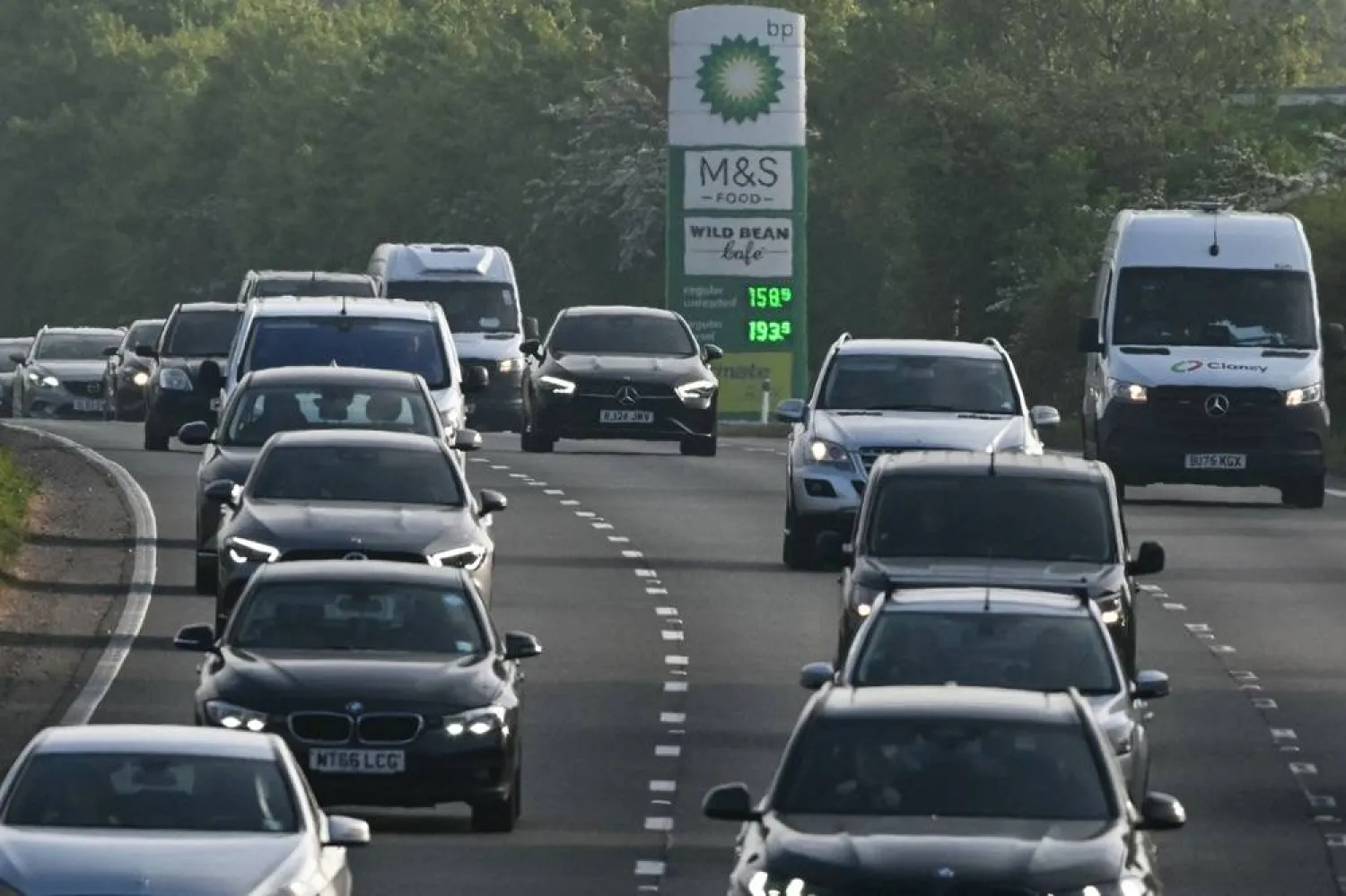

Britain’s annual inflation rate rose to 3.3 per cent in March, driven largely by a surge in energy costs linked to tensions in the Middle East, according to new data released by the Office for National Statistics.
The Consumer Prices Index (CPI) increased from 3.0 per cent in the 12 months to February, reflecting mounting pressure on household budgets as fuel prices climbed sharply.
Grant Fitzner, chief economist at the ONS, said: “Inflation climbed in March, largely due to increased fuel prices, which saw their largest increase for over three years.”
The rise in inflation comes amid global instability following the escalation of conflict involving the United States and Iran, which has disrupted energy supplies and pushed oil and gas prices higher. UK finance minister Rachel Reeves acknowledged the impact of the crisis on living costs, reiterating the government’s stance on the conflict.
“This is not our war, but it is pushing up bills for families and businesses. That’s why it’s my number one priority to keep costs down,” Reeves said.
The latest UK inflation figure matches that of the United States for March, although the US saw a sharper rise from 2.4 per cent in February. In contrast, inflation in the eurozone stood at 2.6 per cent, up from 1.9 per cent the previous month.
Energy markets have remained volatile since the outbreak of hostilities on February 28, with supply disruptions, particularly through the Strait of Hormuz, keeping oil and gas prices elevated despite a temporary ceasefire.
Analysts warn that continued geopolitical uncertainty could sustain inflationary pressures in the coming months, posing further challenges for policymakers and households alike.