

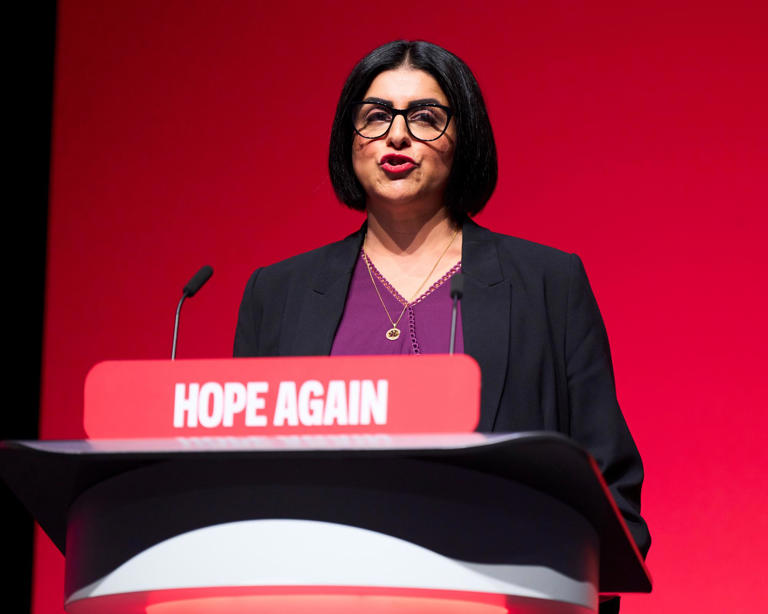

UK Home Secretary Shabana Mahmood has signalled that the government could revise proposals that would make some foreign workers wait significantly longer to qualify for permanent residence, following concerns from cabinet colleagues and trade unions.
Speaking at the Labour Party conference in Liverpool, Mahmood acknowledged criticism that elements of the proposed reforms to indefinite leave to remain were unfair and said the government would seek to balance the interests of legal migrants with those of British citizens. “We will come to a position that balances fairness for those who came here legally, and fairness to British citizens across this country,” she said.
The proposals would change how migrants qualify for indefinite leave to remain, with the government arguing that permanent status should be earned by people who demonstrate a sustained commitment to the UK. Under the plans described in the report, social care workers who arrived in Britain on health and care visas could face a 15-year route to permanent residence instead of the current five-year pathway. The changes could also apply retrospectively to affected workers who arrived from 2021, a provision that has attracted criticism from within Labour and trade unions.
Housing, Communities and Local Government Secretary Angela Rayner has raised concerns about the proposals, arguing that they could adversely affect foreign care workers who moved to Britain to care for elderly and vulnerable people. Energy Secretary Miatta Fahnbulleh also acknowledged that similar rules would have been difficult for her own family after they arrived in Britain when she was a child fleeing Liberia’s civil war.
Trade union Unison has also opposed the proposed changes. General Secretary Andrea Egan argued that extending the settlement period after workers had already moved to the UK under existing rules would be unfair. “Moving the goalposts at this stage in the game is wrong and unfair,” Egan said.
Sources close to Mahmood said no final decision had been taken on the indefinite leave to remain proposals and that the consultation process remained ongoing. Mahmood nevertheless defended the broader objective of reforming legal migration, saying the system should be fair both to people seeking to build their lives in Britain and to existing residents and British workers.
The government had previously tightened immigration rules by ending overseas recruitment of care workers and restricting the ability of care workers to bring family dependants to the UK as part of efforts to reduce net migration. Mahmood also announced plans to expand safe and legal routes for refugees. From October, charities and nonprofit organisations will be able to apply to sponsor refugees through new programmes.
The plans include a community sponsorship route allowing local communities to host refugees and a student sponsorship route enabling universities to participate. The first arrivals under those schemes are expected in autumn next year. Mahmood also confirmed that the government would reopen the UK resettlement route in partnership with the United Nations, with the first arrivals expected this year. She said around a quarter of those resettled would be Afghan women and girls fleeing persecution under the Taliban and Palestinians who had fled Gaza.
During her speech, Mahmood also reflected on her own family’s migration to Britain from rural Kashmir in the 1970s, arguing that fairness should remain central to the country’s immigration system. Her remarks indicate that the government has not yet settled the final details of its proposed permanent residency reforms, particularly the provisions affecting migrants who entered the UK legally under existing settlement rules.