

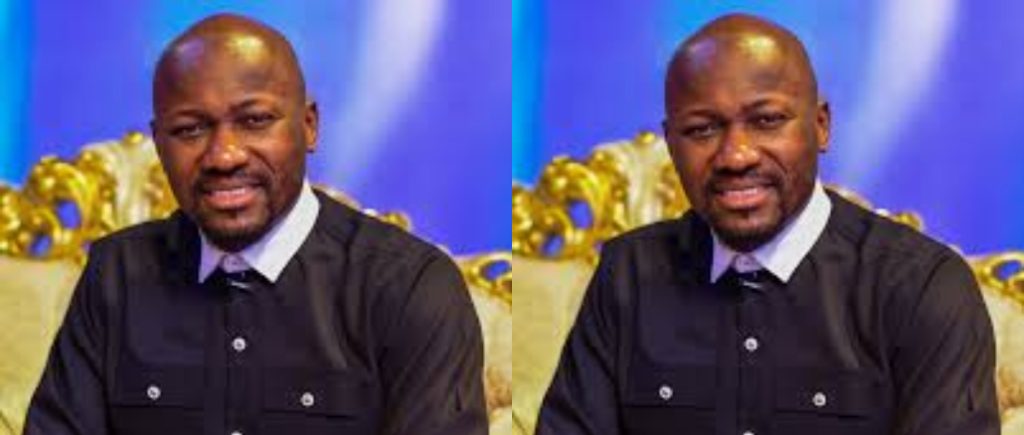

A widely shared video of Nigerian preacher Johnson Suleman has sparked renewed debate about taxation, governance, and accountability in the country.
In the footage, the outspoken cleric voices his frustration over what he described as a significant personal tax burden, while also taking aim at the poor state of public infrastructure.
The clip, which has gained traction across social media platforms, shows Suleman speaking openly about the amount he pays in taxes and questioning the gap between citizens’ financial contributions and the quality of services they receive.
Clarifying a common belief, Suleman explained that although churches may enjoy tax exemptions, individual pastors are still required to pay personal income tax like any other citizen.
“People don’t know pastors pay tax… They think we don’t pay. Personal income tax. I’m not talking of church tax,” he said.
He went on to disclose that his annual tax payments amount to millions of naira, adding that some pastors reportedly pay between ₦20 million and ₦40 million each year.
According to him, the financial pressure can be intense, especially when combined with ongoing charitable responsibilities.
Suleman also recounted a recent interaction with his tax consultant, expressing surprise over a sudden increase in his tax bill. He questioned the reason behind the hike, noting that there had been no noticeable change in his earnings or lifestyle.
“I said why? What increased in me?” he asked, suggesting that authorities might be estimating his income based on how visible his charitable activities appear to the public.
He alleged that officials may track his public engagements and acts of generosity, using them as indicators of higher income.
Beyond his personal concerns, the cleric criticised how public funds are being managed, particularly highlighting the poor condition of infrastructure such as roads.
“There is no light… The tax is paining me,” he said, linking his dissatisfaction to the lack of tangible development.
Drawing from his experiences abroad, Suleman noted that in some countries, citizens can seek compensation for damages caused by bad roads. He contrasted this with Nigeria, where potholes remain widespread and largely unattended.