

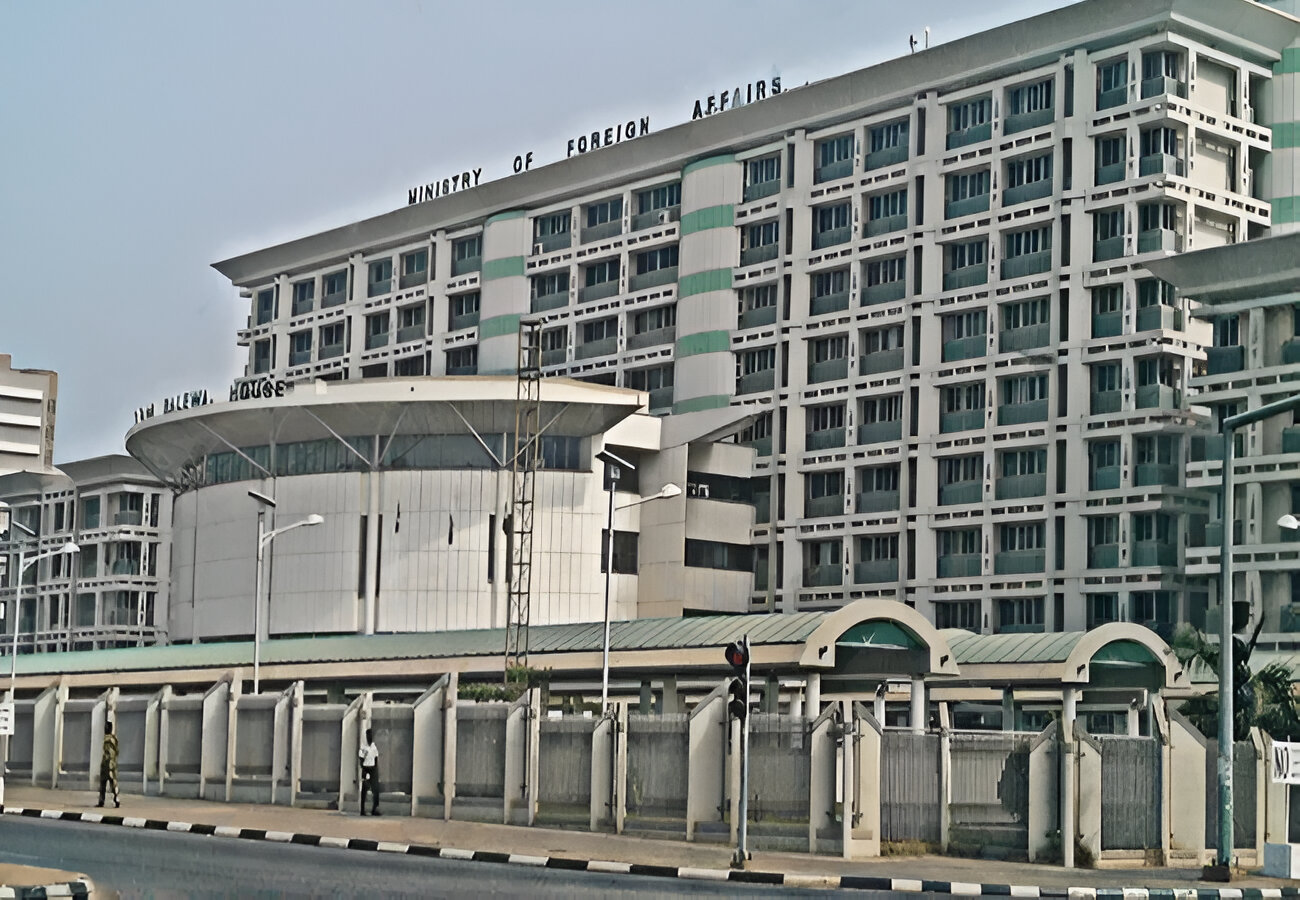

Nigeria’s Ministry of Foreign Affairs Nigeria has said citizens seeking repatriation from South Africa will be required to fund their own return, describing the process as voluntary.
The ministry’s spokesperson, Kimiebi Ebienfa, disclosed this during a press briefing following a meeting between the Permanent Secretary, Dunoma Ahmed, and South Africa’s Acting High Commissioner, Lesoli Machele.
Mr Ebienfa said the government would only coordinate and facilitate the process, not finance it. “Those willing to leave are expected to approach the high commission and, given that their decision is voluntary, have the resources to fund their return to Nigeria,” he said.
He added that the government would not provide transportation. “The government will not provide an aircraft from Nigeria to convey them.”
According to him, about 130 Nigerians have so far indicated interest in returning home, but their departure will depend on their ability to pay for travel. “Yes, 130 as of this morning have registered, but actualisation would be required to have their flight ticket to move back to Nigeria,” he said.
Mr Ebienfa explained that those seeking repatriation fall into two categories. “There are two groups of Nigerians who want to come back. One group feels the country is not safe for them and wants to come. They have all their papers intact.
“Then there is also the second group that has travel document violations or resident permit violations. And instead of running away from law enforcement, they are appealing that the government facilitate their movement back to Nigeria,” he added.
The development follows rising tensions and xenophobic violence in parts of South Africa, which have prompted concerns for the safety of foreign nationals, including Nigerians. Reports indicate that two Nigerians were recently killed in separate incidents allegedly involving personnel of the South African National Defence Force.
The situation led Nigeria’s Foreign Affairs Minister, Bianca Odumegwu Ojukwu, to summon the South African envoy and express concern over the treatment of Nigerian citizens.