

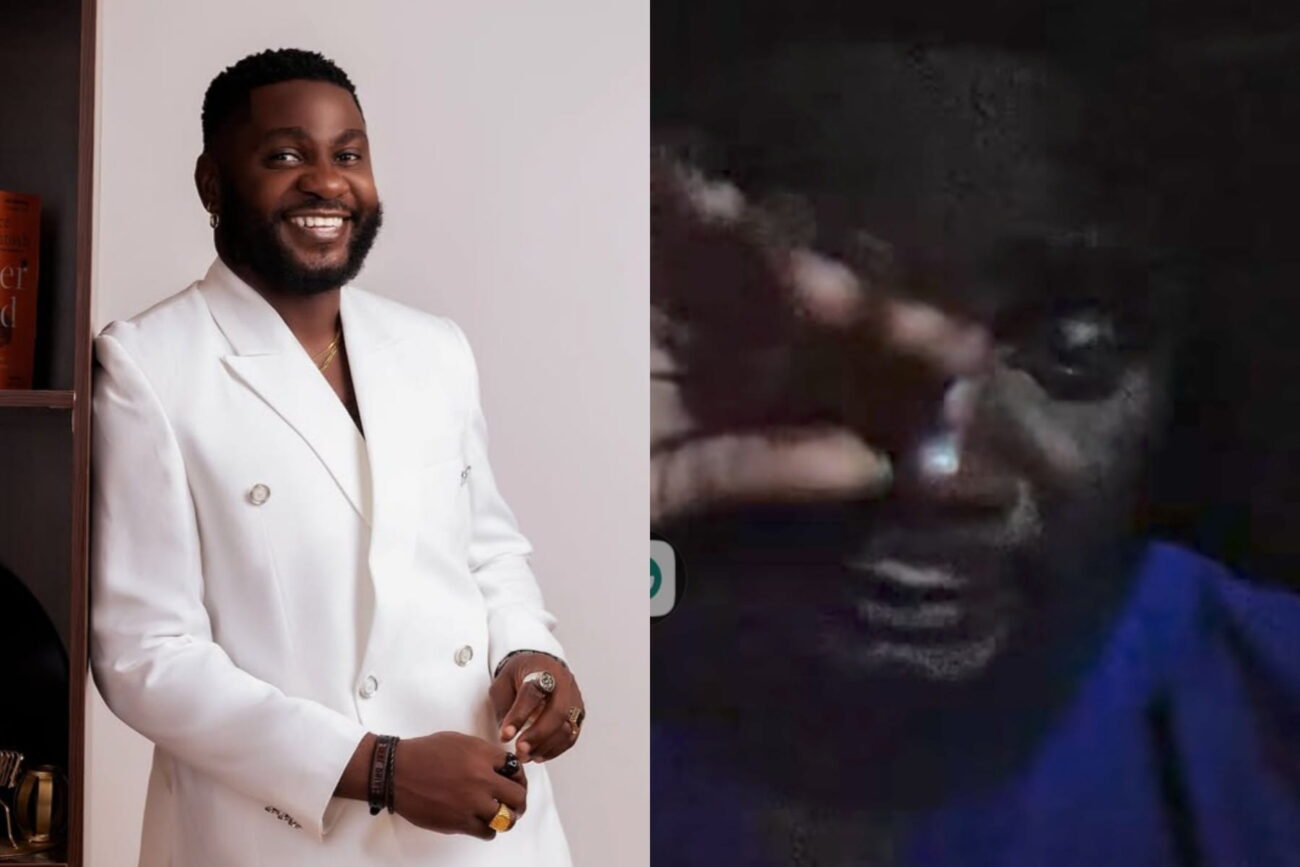

Nollywood actor Jide Awobona has responded to the backlash he received over a video in which he spoke about the country’s insecurity.
The actor, in a lengthy post on his Instagram page, said he had to take down the video because he was vulnerable, emotional, and deeply affected by everything happening around him.

He admonished the public not to attack their fellow Nigerians, as it isn’t the right time. He noted that people process pain differently, and that everyone is carrying battles others know nothing about.
Jide noted that this isn’t the first time he has spoken on issues in the country; unfortunately, he received over a million comments, with people expressing anger, frustration, and even wishing he would become the target himself.
“Behind many smiles are pains you may never see. That is why we must be careful not to judge a book by its cover.
A few days ago, I made a video about the insecurity and insurgency challenges we are facing. Still, I eventually took it down because I was vulnerable, emotional, and deeply affected by everything happening around us.
This is not the time to attack fellow Nigerians. This is not the time to tell others how they should react to tragedy, loss, fear, or frustration. People process pain differently, and everyone is carrying battles we may know nothing about.
For those who may not know, this is not the first time I have spoken about insecurity. I have made several posts about the children and teachers who were kidnapped in Oyo. I have lent my voice where I could and shown concern whenever tragedy has struck. Beyond what people see online, I have also had my own personal encounters with crime, including being robbed myself. There are many other personal struggles, pains, and battles I carry that the public never sees.
That is why I understand, at least in part, what many Nigerians are feeling right now. The pain is real. The anger is real. The frustration is real.
Across my social media platforms, I received over a million comments, many expressing anger and frustration, and some even wishing we were the targets ourselves. I understand that much of that reaction comes from pain, disappointment, and exhaustion.
What I find interesting is that many of those attacking others have not stopped living their own lives. They still go to work, attend school, eat with their families, celebrate weddings, attend graduation ceremonies, and continue with their daily activities. Life, no matter how painful the circumstances, somehow continues.
Yet when it comes to public figures, many expect us not to be human. We are expected not to smile, not to work, not to attend events, not to post, and not to continue living. But we are human too. We feel pain. We grieve. We worry. We are affected by the same realities confronting every Nigerian”.
