

By using this site, you agree to the Privacy Policy and Terms of Use.
Accept
NewsunplugNewsunplugNewsunplug
  • Home
  • News
  • Politics
  • Metro
  • Entertainment
  • Sports
  • Lifestyle
  • Journal
Reading: China now requires influencers to hold a degree in the topics they discuss
Share
Notification Show More
Font ResizerAa
Font ResizerAa
NewsunplugNewsunplug
  • Home
  • News
  • Politics
  • Metro
  • Entertainment
  • Sports
  • Lifestyle
  • Journal
Search
  • Home
  • News
  • Politics
  • Metro
  • Entertainment
  • Sports
  • Lifestyle
  • Journal
Have an existing account? Sign In
Follow US
Newsunplug > Blog > News > China now requires influencers to hold a degree in the topics they discuss
News

China now requires influencers to hold a degree in the topics they discuss

Godson
Last updated: October 28, 2025 10:23 am
Godson
Published: October 28, 2025
Share
SHARE

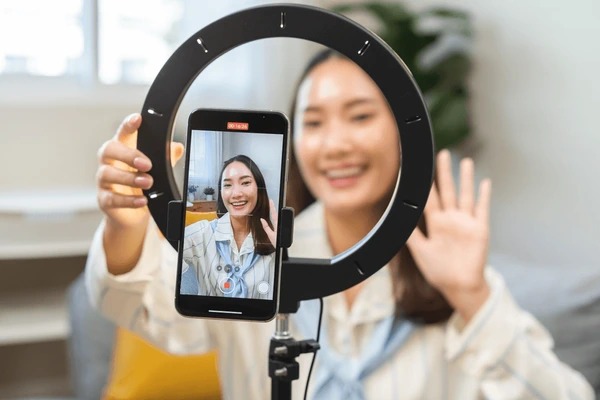
China’s new influencer law, which took effect on October 25, requires anyone creating content on sensitive topics, such as medicine, law, education, or finance, to hold official qualifications in those fields.

The Cyberspace Administration of China (CAC) says the goal is to fight misinformation and protect the public from false or harmful advice.

Under the new rules, influencers who talk about regulated topics must show proof of their expertise, such as a degree, professional license, or certificate.

Platforms like Douyin (China’s version of TikTok), Bilibili, and Weibo must verify creators’ credentials and make sure their content includes proper citations and disclaimers.

For example, influencers must clearly state when information comes from studies or when a video includes AI-generated material. Platforms are also required to educate users about their responsibilities when sharing content online.

The CAC has gone even further by banning advertising for medical products, supplements, and health foods to prevent hidden promotions disguised as “educational” videos.

However, critics warn that the law could harm creativity and limit freedom of speech. By controlling who can talk about certain topics, they argue, China might not only block misinformation but also restrict independent voices and critical debate.

Many worry that “expertise” will be defined too narrowly, giving authorities more power to silence people who question official narratives or offer alternative views.

Others, however, welcomed the move, saying that the new law would allow for well-informed content on important and sensitive topics. Many argued that only professionals in their field should be able to speak about and discuss said topic to prevent misinformation.

BeIN Sports host Richard Keys dissects Man City’s 115 FFP charges amid title chase
FCCPC seals Abuja Chinese Supermarket
Ladoja congratulates Makinde, prays for his success
Lagos state government destroy illegal structures and shanties built around Jakande Estate, and Maiyegun, Lekki
We didn’t collapse our structure for any party in Enugu, says APGA

Quick Link

  • My Bookmark
  • Interests
  • Contact Us
  • Blog Index
Share This Article
Facebook Email Print
What do you think?
Love0
Sad0
Happy0
Sleepy0
Angry0
Dead0
Wink0

Recent Posts

  • “Churches Never Helped Us” – Izzy Ogbeide Recounts Prost!tut!0n Experience In Italy
  • Grace Makun Criticizes Trend Of Food-only Party Packs For Kids
  • “If Dna Shows My Child Is Not Mine, I’ll Still Accept Them”- Rotimi Salami
  • “I Don’t Need Inverter Anymore”- Mr Jollof Criticized For Praising Power Supply
  • Mama No Network Sparks Debate After Photos With Seyi Tinubu Go Viral

Recent Comments

No comments to show.
[Ruby_E_Template id="1714"]

Top Categories

  • Entertainment
[Ruby_E_Template id="1714"]
© 2023 Newsunplug | All Rights Reserved.
adbanner
Welcome Back!

Sign in to your account

Username or Email Address
Password

Lost your password?